
How I Learned to Garden and Farm in Nashville, and Where You Can Too

People ask me all the time how I learned about gardening. The short answer is that I never stopped learning. I started with the Master Gardeners of Davidson County in 2023, and this year I completed TSU's Tennessee New Farmer Academy and the Groundwork Fellowship at Ruby's Happy Farm. If you want to learn gardening or farming in Middle Tennessee, these are the programs I have gone through, but these aren't the only ways to learn. In Nashville, there seem to be endless opportunities to learn more, including with THE SEED LOCAL.
I've laid out the programs in the order I took them, because each one led to the next. For each one you'll find what it is, who it's for, the basics on timing and cost, and what I got out of it.
How Do You Become a Master Gardener in Nashville?
Master Gardeners of Davidson County (University of Tennessee and Tennessee State University Extension)
What it is: A 14-week horticulture course through UT and TSU Extension, followed by volunteer service with local gardening education projects. It covers a wide range of topics, so you get a taste of everything before you pick where to focus. The volunteer work takes you into community gardens, demonstrations and "Ask a Master Gardener."
Who it's for: People who love gardening and want to share it. Some Master Gardeners work in horticulture or agriculture, but most are home gardeners with a passion for sharing what they know to benefit the community.
The basics:
When: Classes run 14 weeks, from late January to early May
Where: The Davidson County Extension office, 1281 Murfreesboro Pike, Nashville
Time commitment: In your first year, 40 hours of classes and 40 hours of volunteer service, finished within a year of completing training. Every year after that, at least 25 volunteer hours and 8 hours of continuing education.
Cost: A modest training fee, kept low because the program is largely subsidized by UT Extension, plus annual dues to stay certified. Check the Master Gardeners of Davidson County site for current amounts.
How to apply: Applications open in the fall for classes that start the following January.
Learn more: mgofdc.org
What I got out of it:
After 15 years in corporate, I took time to figure out what I actually enjoyed, and I wasn't sure which part of gardening I wanted to focus on. I wanted a program that would introduce me to a wide range of topics and volunteer opportunities, and a chance to connect with people who share my interests. I also liked the service side of it.
The curriculum covered so much ground that it showed me where my interest really was: education and vegetable gardening. Everything I've done since has built on that.
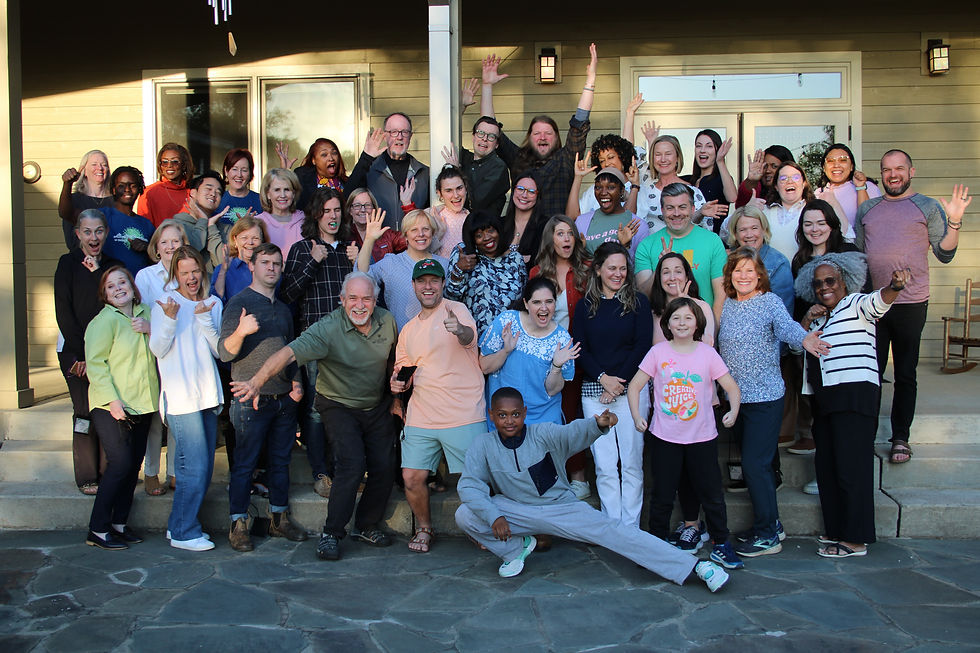
Take it if you're service-minded, want to learn more about gardening, and would like to connect with other gardeners across Tennessee.
Good to know before you apply: The volunteer hours are what the program is built on, and they continue every year you stay certified, so plan for that time alongside the classes.
Not ready for a program yet? Start with THE SEED LOCAL's free Garden Starter Guide. It walks you through the first steps so you can get something growing this season.
How Do You Learn the Business of Farming in Tennessee?
Tennessee New Farmer Academy (Tennessee State University)
What it is: A seven-month certificate program through TSU Extension for people who want to build a business in agriculture. It meets once a month, all day and in person, and every session ties back to the business side of farming.
Who it's for: People who are new to agriculture, people moving into it from another field like military service or private sector work, and people looking for a post-retirement opportunity.
The basics:
When: March through September, one full day a month, about 9:00 to 4:30
Where: The Middle Tennessee sessions are mostly at the TSU Agricultural Center on the main campus in Nashville, with a few off-site at places like the UT Ag Center in Ellington and Green Door Gourmet. There are also regional programs based in Knoxville, Memphis and Pikeville.
Cost: $200 per person, which covers the textbook, materials and lunches
Registration: Opens early in the year and usually closes at the end of February
Learn more: tnstate.edu/extension/nfa.aspx
What I got out of it:
I signed up because I wanted to learn the business of farming, not only the growing part, and I wanted to connect with other farmers in the area. Our long-term goal is a working greenhouse and an educational demonstration garden for THE SEED LOCAL, so I also wanted to understand how to access funding to grow. Hearing directly from the experts in TSU's agriculture program was a big draw too.
What stayed with me most was the culture. Farming runs on networking and community, and there's a real sense that you help the people around you. I saw it in the instructors and in my classmates. There are so many resources out there for anyone interested in agriculture or horticulture, and so many people who want to help the next generation get started.

Take it if you're serious about becoming an agricultural entrepreneur.
Good to know before you apply: The program is very business-focused. Not every topic will fit everyone's plans, but every class covers the business side, and at the end you get to share your own business with the group.
Where Can You Get Hands-On Farm Experience Near Nashville?
Groundwork Fellowship (Ruby's Happy Farm Foundation)
What it is: A hands-on fellowship where you tend your own plot at Ruby's Happy Farm and meet monthly with experts. You manage your crop independently, with guidance along the way, and the program ends with a market day where fellows sell what they've grown.
Who it's for: Creative people who are eager to learn farming and gardening and how to build a business from it. It suits people who learn by doing and can work on their own but still want access to experts.
The basics:
When: Five months, starting in May
Where: Ruby's Happy Farm, Cross Plains, TN
Time commitment: Monthly expert-led sessions, plus tending your plot at least once a week (more often depending on rain, heat and your crop)
Cost: No cost to join. Some materials are reimbursed, and fellows are encouraged to invest in their own equipment for the long run.
Stipend: Fellows who complete the program receive a $500 stipend, plus a share of their market day sales
How to apply: Follow @RubysHappyFarmFoundation on Instagram or check the foundation page to see when applications open
What I got out of it:
I loved the idea of working independently with direction. I learn by doing, and this was a chance to learn directly on the land. Ruby's Happy Farm also has an agritourism side, which fit right in with my long-term goals for THE SEED LOCAL. The monthly sessions covered things like soil health, fertilization and farm funding, and the rest of the month it was up to me to take care of my plot.
The biggest lesson was that some things are out of your control, and you have to learn to flex, pivot and lean on your partners. A major infestation wiped out nearly all of my squash, and then this summer brought extreme heat and drought that were painfully hard to manage. I still needed a plan for my capstone, so I switched to growing lettuce transplants to sell. Ashley, the foundation's president and the owner of Ruby's Happy Farm, brought in her farming partners to supply pasture-raised chicken and fresh-cut flowers for our end-of-program market day. In the end I received the $500 stipend plus a portion of my sales, and all of it went back into my business.

Take it if you can learn independently, want access to experts, and are eager to learn how to turn growing into a business. It's challenging but extremely rewarding.
Good to know before you apply: Your plot needs care at least once a week, and more often in heat or dry spells, so plan your summer around that commitment. The program also leans toward building a business, so it's a great match if you're thinking about selling what you grow.
Want to Go Deeper Into Landscape Design?
I've also completed two landscape courses. If the part that pulls you in is how a whole yard comes together, they're worth a look.
Certified Landscape Professional (UT Extension): An online, self-paced course you can start anytime. It covers landscape planning, site assessment, plant selection, installation, pruning and fertilization, and the certificate renews every two years. Learn more
Landscape Design Certificate (Emory Continuing Education): A short program focused on residential design, from site analysis and concept plans to plant choices and hardscape, ending with a capstone project. Learn more
Which Program Is Right for You?
Here's how the three main programs compare.
Master Gardeners of Davidson County | Tennessee New Farmer Academy | Ruby's Happy Farm Groundwork Fellowship | |
Best for | Learning broadly and giving back | Starting an agricultural business | Hands-on farm experience |
Length | 14 weeks of classes, volunteer service, continuing education | 7 months, March to September | 5 months, starting in May |
Format | Weekly classes in Nashville | One full day a month, in person in Nashville | Your own plot plus monthly sessions, Cross Plains, TN |
Cost | Fee plus annual dues | $200 | No cost, stipend when you finish |
Applications | Open in the fall | Close at the end of February | Watch the foundation's Instagram and website |
A Few Things to Plan For
The time commitment is real. Every one of these asks for more than showing up to class, whether that's volunteer hours, a business plan or a plot that needs you every week.
Two of the three lean toward business. If you're gardening for the love of it, the Master Gardeners program is a great place to start.
Deadlines come early. Most of these take applications months before they start, so plan a season ahead.
Questions People Ask
Do I need gardening experience to become a Master Gardener?
You don't need to be an expert. The program is built for people who love gardening and want to learn more and share it, and the classes cover a wide range of topics.
Is the Tennessee New Farmer Academy only for people who already farm?
No. It's designed for people who are new to agriculture, people coming from another career, and people looking for something new after retirement.
Are there free farming programs near Nashville?
The Groundwork Fellowship at Ruby's Happy Farm has no cost to join and pays a stipend when you finish. TSU also offers scholarships for the New Farmer Academy in some regions.
Which program should I start with?
If you're not sure yet what part of gardening you love, start with Master Gardeners. If you already know you want to build a business, look at the New Farmer Academy. If you learn best by doing, the Groundwork Fellowship puts you on the land right away.
What to Do Next
If any of these programs fits where you are, put the application window on your calendar now. Master Gardeners of Davidson Country's 2027 applications open this fall, and TSU's registration closes at the end of February. In the meantime, grab the free Garden Starter Guide, check out our upcoming workshops, or browse more Getting Started articles.
Susanna Hadley is the founder of THE SEED LOCAL, a gardening community built on the idea that you do not need to know everything to begin. She designs and plants gardens for a living, and she is still learning something every season, which is most of what she writes about here.

Comments